
"coffee cup transport"
5000 article(s) found

To get everyone to drink coffee! Coffee bean transportation will return to the era of great navigation?!
Since the epidemic of COVID-19, people's awareness of environmental protection has become stronger and stronger. Even drinking a cup of coffee begins to pay attention to whether it is organic, whether it is environmentally friendly, and whether the process from raw beans to coffee liquid has excessive carbon emissions. It is well known that most coffee beans consume fuel, while coffee producers and consumers

In which cities does Luckin Coffee have the Xiaohei Cup? Luckin Coffee's first transnational airlift of Yejia Xuefei
On January 5 this year, Luckin Coffee announced that he had officially signed a contract with the Ethiopian Embassy. According to the agreement, Luckin Coffee plans to purchase boutique Yegashefi coffee beans for three consecutive years from 2021 to 2023. Recently, it was reported that the first batch of boutique Yega Xuefei purchased by Luckin Coffee in Ethiopia has completed the first phase of the baking plan. According to Ruixingka in January

Introduction to the flavor and taste of Lindong Coffee Manor in Sumatra, Indonesia
The Indonesian railway is owned by the state and operated by the Indonesian state-owned asset management company, and the large-scale transportation task is undertaken by the railway. The total length of the national railway in Indonesia is 6458 km, and the narrow-gauge railway is 5961 km long. The railway transportation in Java and Sumatra is relatively developed, of which the Java railway is 4684 km long, accounting for 73.6% of the total railway length in the country. According to the plan, Indonesia will be in Java.

Mount Kilimanjaro Coffee Estate in Tanzania at 5895 meters
The coffee cups produced in Songea are fairly standard, reflecting the common characteristics of northern coffee. Kibo coffee loses this property due to the flavor loss we mentioned during transportation. Songea has a clear, bold taste, although it is still slightly milder than Kenyan coffee. This season Nkoanekoli and Ngorongoro have joined the coffee crop.
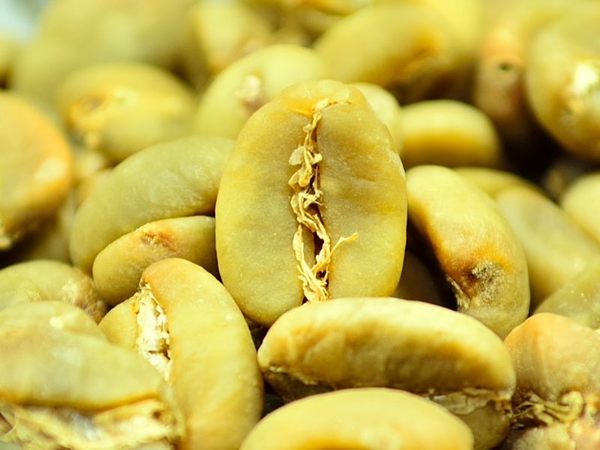
Treatment of raw coffee beans from planting to transportation: pulp peeling, fermentation, drying, selection
The harvested coffee fruit is transported to the processing plant. The factory processes peeling, fermentation, drying, sorting and other processes for processing coffee beans. Remove the pulp, pick out the bad beans, soak and ferment in water, and re-dry in the sun. After this series of complex processes, you can get fresh raw beans. This process has a great impact on the quality of coffee beans.
The following are the most commonly used packaging methods for the storage of raw coffee beans
Until recent years, all coffee beans were packed in gunny bags, transported in containers, and could not reach the roasters until a few months after the beans were processed. If roasters and importers occasionally want to test coffee beans from their origin, or taste samples before shipment, they will receive coffee beans that have been damaged by the poor atmospheric environment during storage or transportation.

Introduction to the excellent flavor of Tanzanian Kilimanjaro coffee
The coffee cups made in Songea are well-behaved, reflecting the common characteristics of northern coffee. However, the coffee produced by Kibo has lost this characteristic because of the loss of flavor during transportation. Songea tastes clear and unrestrained, although it is still slightly more relaxed and mild than Kenyan coffee. Nkoanekoli and Ngorongoro have also joined the coffee cultivation this season.

Taste mellow Mexican coffee flavor Taste Manor characteristics Fine coffee beans Introduction
Water transportation, especially sea transportation, has undertaken the task of transporting some goods, domestic goods and outbound passengers in Mexico. According to the statistics of the national port system, from January to December 2013, the national freight container load reached 288 million tons of cargo, an increase of 1.6% year-on-year. Among them, the deadweight of oil and oil derivatives alone reached 122 million tons, accounting for 42.5% of the total cargo volume.

Tanzanian coffee
Tanzanian coffee belongs to Central/East African washed (wet process) coffee beans, which are characterized by bright acidity and wild flavor stimulation. The best coffee in this kind is undoubtedly Kenya coffee. Beans are usually picked out individually and sold at a higher price, but they often do not perform well in the cup, making people feel that they are not worth the money. Tanzania garden beans as a new coffee bean

Regional varieties of Tanzania coffee beans produced by AAA flavor description
In 1980s, most coffee sales in Tanzania shifted from auctions to being sold directly to coffee cups made in the Songea region of Tanzania Coffee Management Council, reflecting the common characteristics of coffee in the north. However, the coffee produced by Kibo is due to the flavor loss during transportation that we mentioned.

Raw bean label: what is "GP"
There is a lot of information on the label of raw coffee beans. In addition to clear information at a glance, such as altitude and how to handle it, there are also some common English abbreviations that sometimes take a little thought. GP, refers to a way of packaging raw beans, GrainPro, special packaging for grains. When raw coffee beans are exported from the place of production, they are packed in gunny bags, which is already familiar to most coffee lovers. But,

Bolivian Coffee Manor introduces the Yongas area northeast of La Paz
Bolivia is 1/3 of the Andean mountains, rugged terrain, mainly road transport, accounting for more than 85% of transportation. The main railway and road networks are concentrated in the west, and remote areas rely on air communication. But road coverage is the lowest in South America. And there is also the Ronggas Highway, the world's first insurance road known as the road to death. There is no developed economy here. It is the poorest in South America.

What effect does different packaging have on raw beans?
Professional coffee knowledge exchange More coffee bean information Please pay attention to coffee workshop (Weixin Official Accounts cafe_style) There is a lot of information on the label of coffee beans. In addition to the obvious information, such as altitude and treatment methods, there are some common English abbreviations, sometimes a bit of thought. GP refers to a packaging method for raw beans, GrainPro, special packaging for grain. coffee green

Characteristics of Tanzanian Coffee Beans Flavor Description Processing Method Taste Origin Introduction
Tanzania AA coffee beans are the highest grade beans, its full particles, pure flavor, rich and refreshing, all aspects of quality are first-class. Usually its acidity is mild and evenly stimulates the taste buds in the middle and sides of the back of the tongue, feeling a bit like the sourness of tomatoes or soda. Moderate or above
What is the effect of different packaging on raw beans?
There is a lot of information on the label of raw coffee beans. In addition to clear information at a glance, such as altitude and how to handle it, there are also some common English abbreviations that sometimes take a little thought. GP, refers to a way of packaging raw beans, GrainPro, special packaging for grains. When raw coffee beans are exported from the place of production, they are packed in gunny bags, which is already familiar to most coffee lovers. But,

Grinding scale production area of Tanzania coffee beans by characteristic flavor and taste treatment
Tanzania coffee beans characteristic flavor taste treatment grinding scale production areas rarely use the washing method, which allows the coffee beans to absorb the aromatic substances of the pulp, so the fruit flavor is stronger. Kilimanjaro coffee is very characteristic, it exudes delicate aroma, and contains wine and fruit aroma, people taste endless aftertaste, from the appearance is very similar to Kenyan coffee
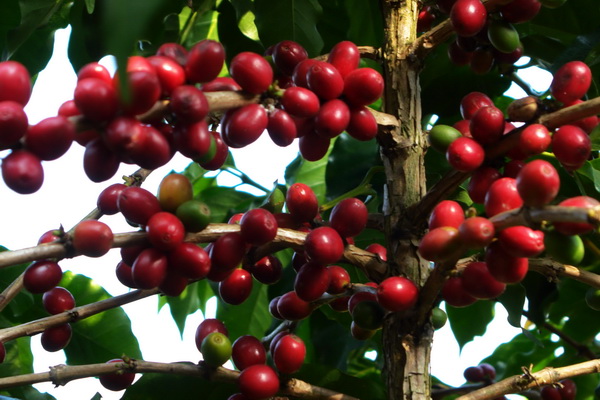
African flavor Ethiopian grade G1G2 G3 boutique coffee beans
Pre-auction process 1) farmers pick fresh coffee fruits; 2) farmers transport fresh fruits to rural cooperatives; 3) cooperatives sell fresh fruits to middlemen; 4) middlemen collect and transport fresh fruits to processing plants (washing or tanning process); 5) middlemen transport processed beans (with shell beans, Parchment Coffee) to auction houses to establish warehouses; 6) auction houses give official evaluation (

The flavor and taste of Mexican coffee beans with the fullest grains. Introduction to the characteristics of fine coffee in manor area.
Water transport, especially sea transport, undertakes the task of transporting part of Rico's goods, domestic goods and outbound passengers. According to the statistics of the national port system, from January to December 2013, the national freight container load reached 288 million tons of cargo, an increase of 1.6% over the same period last year. Among them, the deadweight of oil and petroleum derivatives alone reached 122 million tons, accounting for 42.5% of the total freight; bulk minerals

Introduction to the description of the planting environment of Bolivian coffee with the characteristics of grinding degree, taste treatment method and price.
Bolivia is 1/3 of the Andean mountains, rugged terrain, mainly road transport, accounting for more than 85% of transportation. The main railway and road networks are concentrated in the west, and remote areas rely on air communication. But road coverage is the lowest in South America. And there is also the Ronggas Highway, the world's first insurance road known as the road to death. There is no developed economy here. It is the poorest in South America.

Packaging of raw coffee beans: an analysis of the secret of raw bean labels: what is meant by "GP"
There is a lot of information on the label of raw coffee beans. In addition to clear information at a glance, such as altitude and how to handle it, there are also some common English abbreviations that sometimes take a little thought. GP, refers to a way of packaging raw beans, GrainPro, special packaging for grains. When raw coffee beans are exported from the place of production, they are packed in gunny bags, which is already familiar to most coffee lovers. But,